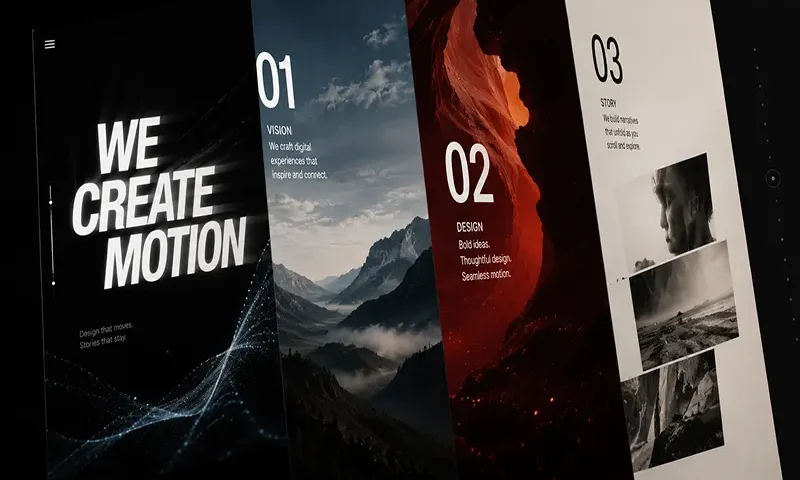
Lightweight Kinetic Typography and Scroll Storytelling Techniques

The modern web has evolved from a static repository of documents into a dynamic, narrative medium. Today, leading brands and creative agencies leverage “scrollytelling”—the integration of scroll-driven animations and kinetic typography—to capture user attention, communicate brand values, and guide users through immersive digital stories. When text bends, shifts shape, or scales fluidly in response to physical interaction, it transforms standard copy into a powerful vector for emotional engagement.

However, this creative freedom often creates an engineering crisis. Traditional scrollytelling sites are notorious performance hazards, relying on heavy external JavaScript libraries that hijack native mouse wheel operations (“scroll-jacking”). These frameworks flood the main main browser thread, causing severe frame-rate drops (jank), battery drain, and poor mobile accessibility.

Combining kinetic typography with scroll storytelling does not require sacrificing page speed. By leveraging modern browser APIs and native CSS layout primitives, developers can build breathtaking, fluid motion designs that maintain a flawless, hardware-accelerated … READ MORE

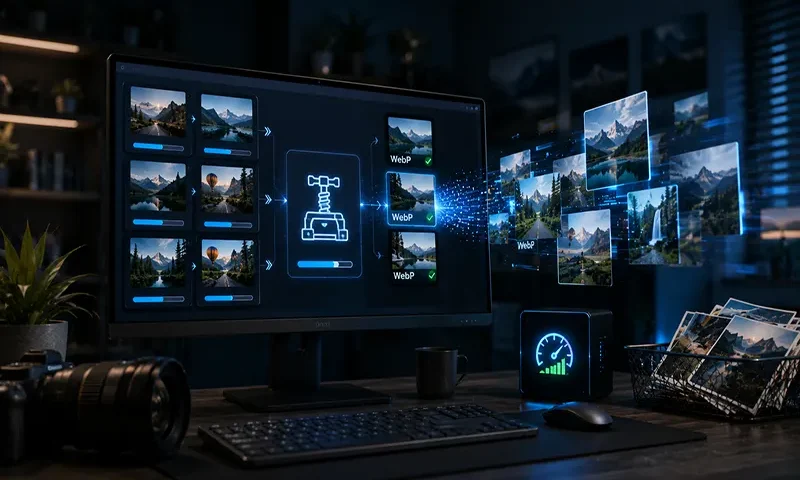
Bulk Image Compressor and WebP Converter for SEO

In the digital economy, seconds translate directly into revenue. When a user clicks a link from a search engine result page, they expect an instantaneous response. Google has long codified this user expectation into its ranking algorithms via Core Web Vitals—specifically metrics like Largest Contentful Paint (LCP) and Interaction to Next Paint (INP). Yet, when auditing slow-loading web applications, performance engineers repeatedly find the same primary culprit: unoptimized, bloated legacy image payloads.

For e-commerce storefronts managing thousands of product listings or media hubs publishing daily content, optimizing images one by one is an operational impossibility. To maintain organic search visibility and deliver a frictionless user experience, automation is required. Implementing a secure, high-throughput bulk image compressor and WebP converter is no longer just a minor technical optimization—it is an absolute necessity for modern enterprise SEO strategy and user experience engineering.

The Math Behind the Pixels: Compression vs. Quality Loss

To … READ MORE

Best Edge Computing Hosting for Real-Time Web Applications

For over a decade, building a web application meant deploying code to a centralized cloud data center—typically a massive facility like AWS us-east-1 in North Virginia. However, as real-time web applications like live collaboration suites, multiplayer gaming backends, streaming platforms, and instant IoT dashboards proliferate, this traditional model reveals its physical limitations. When an user in Tokyo interacts with an application hosted in Virginia, their data packets must travel thousands of miles through subsea cables, hitting an unbreakable barrier: the speed of light. This introduces an unmitigated latency penalty known as the “us-east-1 bottleneck.”

Edge computing hosting entirely bypasses this limitation. By distributing code execution across thousands of decentralized points of presence (PoPs) globally, edge hosts process compute requests mere miles away from the end user. Choosing the right edge computing host is the single most critical architectural decision for modern real-time applications, determining whether a platform achieves true instantaneous … READ MORE

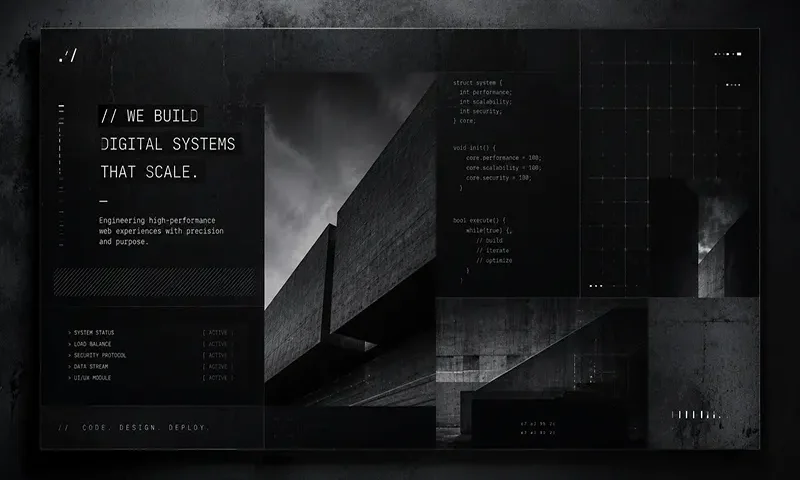
Technical Mono and Code Brutalism Web Design Aesthetic

Walk across the modern internet, and you will experience a profound sense of digital déjà vu. Driven by the homogenization of uniform utility frameworks, predictable landing page templates, and safe, focus-grouped corporate design systems, millions of web applications look identical. Soft blue gradients, generic rounded corners, pill-shaped buttons, and vast expanses of empty space dominate the landscape. It is an aesthetic built to avoid offending anyone—but it also fails to excite anyone.

In response to this corporate saturation, a rebellious counter-cultural design movement is sweeping through developer utilities, Web3 infrastructures, indie hacker repositories, and cutting-edge design agencies in 2026. This aesthetic rejects polished artificiality in favor of a raw, uncompromising architectural style: Technical Monospaced Typography paired with Code Brutalism. Far from being an accidental or unfinished mistake, this design philosophy represents an intentional, anti-decorative statement that celebrates engineering truth, structural transparency, and high-performance digital minimalism.

Defining the Pillars of

READ MORE