Using Machine Learning Models for Personalized User Recommendations on E-Commerce Websites

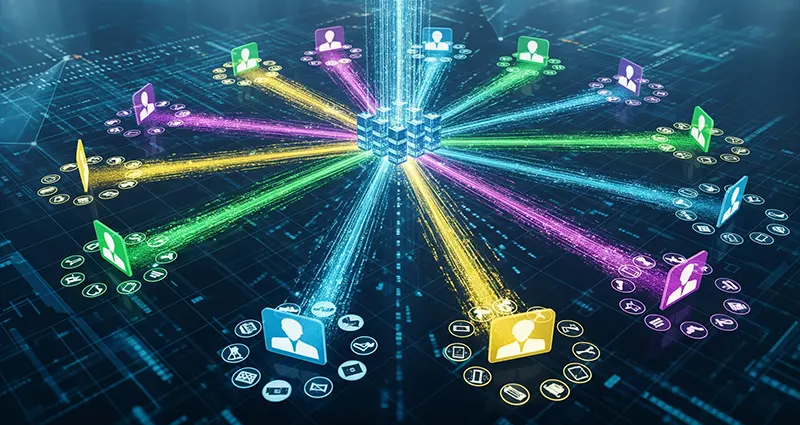
In today’s highly competitive e-commerce landscape, providing personalized user experiences is essential for attracting and retaining customers. One of the most effective ways to achieve this is through machine learning models that power personalized user recommendations. By analyzing user behavior, preferences, and purchase history, these models help e-commerce platforms deliver highly relevant product suggestions, improving user engagement and boosting sales.

How Machine Learning Enhances Recommendations

Machine learning algorithms can process massive amounts of data to identify patterns and preferences unique to each user. Unlike traditional recommendation systems that rely on static rules, machine learning models dynamically learn and adapt to changing user behaviors, making their suggestions more accurate and timely.

Key machine learning techniques used for personalized recommendations include:

  • Collaborative Filtering: This approach recommends products based on the similarity between users or items. If User A likes products X and Y, and User B likes product X, the system
READ MORE
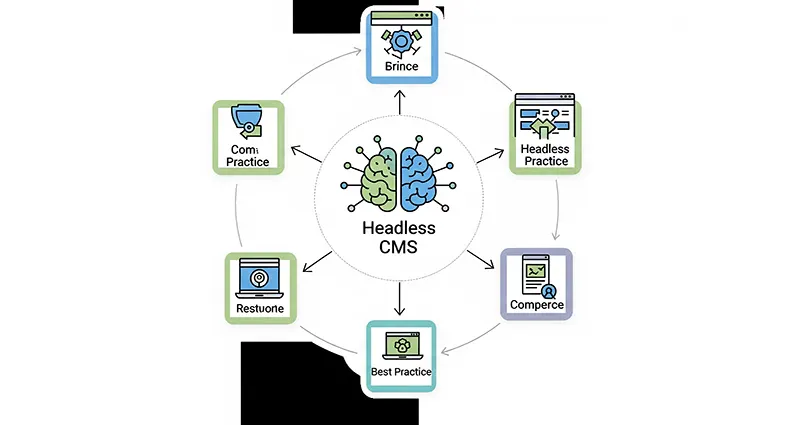
Best Practices for Implementing Headless CMS Architecture in E-Commerce

The e-commerce landscape is rapidly evolving, driven by consumer demand for seamless, personalized, and fast online shopping experiences. To meet these needs, many businesses are adopting headless CMS architecture, which decouples the content management backend from the frontend presentation layer. This approach offers flexibility, scalability, and enhanced performance, making it an ideal choice for modern e-commerce platforms. However, implementing a headless CMS requires careful planning to maximize its benefits. Here are the best practices for implementing headless CMS architecture in e-commerce:

1. Define Clear Objectives and Use Cases

Before implementation, clearly outline what you aim to achieve with a headless CMS—whether it’s omnichannel content delivery, faster page loads, easier integrations, or personalized customer experiences. Understanding your specific use cases will guide technology selection, architecture design, and workflow processes.

2. Choose the Right Headless CMS Platform

Not all headless CMS platforms are created equal. Select a solution that aligns with your … READ MORE