
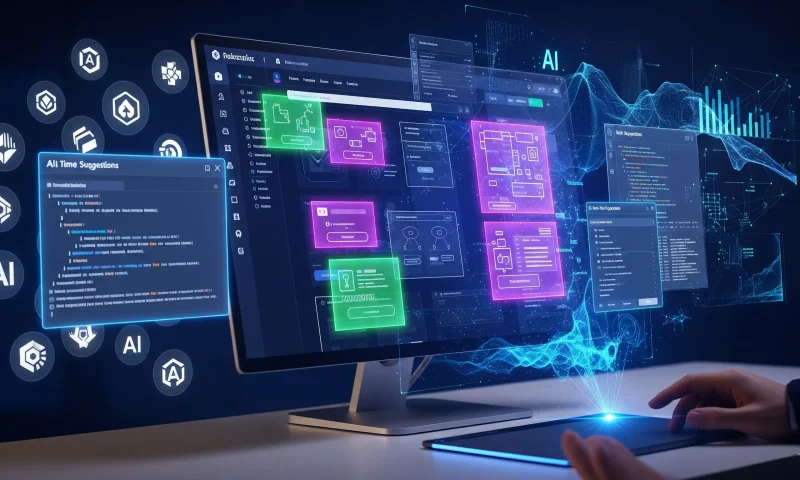
In the fast-paced world of web development, creating intuitive, attractive, and user-friendly interfaces is paramount. Front-end developers and UI designers are increasingly turning to AI-powered front-end web development tools to streamline the design process, enhance creativity, and improve overall user experiences. These tools leverage artificial intelligence to automate repetitive tasks, generate design suggestions, and optimize UI components, significantly transforming how websites and web applications are built.
What Are AI-Powered Front-End Web Development Tools?
AI-powered front-end web development tools integrate artificial intelligence and machine learning algorithms into the UI design and coding process. Their purpose is to assist designers and developers in creating efficient, responsive, and aesthetically pleasing web interfaces by providing features such as:
- Automated code generation from design prototypes
- Intelligent layout and color scheme recommendations
- Accessibility compliance checks
- Real-time debugging and error corrections
- Predictive user behavior analysis to refine UI/UX
Benefits of Using AI-Powered Tools for UI Design
- Enhanced Productivity:
AI tools automate tedious and time-consuming tasks like manual coding, responsive adjustments, and style consistency checks, allowing developers to focus more on creative and strategic aspects. - Improved Design Quality:
By offering AI-generated design suggestions and ensuring adherence to best UI/UX practices, these tools help in crafting interfaces that are both visually appealing and user-centric. - Faster Prototyping and Iteration:
AI-driven design tools can convert sketches or wireframes into functional code quickly, accelerating the prototyping phase and enabling rapid iteration based on feedback. - Increased Accessibility:
Many AI tools incorporate accessibility guidelines automatically, suggesting design modifications to make websites usable for people with disabilities, thus broadening audience reach. - Data-Driven Personalization:
AI can analyze user interaction data and preferences to tailor UI improvements, ensuring a more personalized and engaging user experience.
Popular AI-Powered Front-End Tools for UI Design
- Figma with AI Plugins: Figma’s collaborative platform now integrates AI-powered plugins that auto-generate design elements, suggest color palettes, and analyze accessibility issues.
- Adobe Sensei: Adobe’s AI engine enhances Adobe XD by automating repetitive tasks, providing smart layout adjustments, and predicting design patterns.
- Uizard: An AI-driven tool that converts hand-drawn wireframes into digital UI mockups with ready-to-use code components.
- Sketch2Code by Microsoft: Converts hand-drawn designs into HTML prototypes using AI, bridging the gap between concept and implementation.
- TeleportHQ: Offers AI-assisted visual development with instant code generation and UI component suggestions.
Best Practices for Implementing AI in UI Design
- Balance Automation with Human Creativity: While AI can automate many aspects, human insight remains crucial for emotional connection and brand identity in design.
- Prioritize User-Centric Design: Use AI recommendations as guidelines rather than absolute rules, continuously testing with real users.
- Stay Updated on Accessibility Standards: Leverage AI tools to maintain compliance but validate through manual checks to ensure genuine usability.
- Iterate Based on Analytics: Employ AI analytics to gather user data and refine UI designs in real time.
AI-powered front-end web development tools for UI design are revolutionizing how designers and developers approach the creation of digital interfaces. By automating routine tasks, enhancing design quality, and enabling data-driven personalization, these tools accelerate development cycles and elevate user experiences. As AI technology continues to evolve, it promises even more sophisticated assistance, blending creativity with intelligence to shape the future of web design. Embracing these tools can empower businesses and creatives alike to build beautiful, functional, and accessible websites efficiently in today’s competitive digital landscape.

