
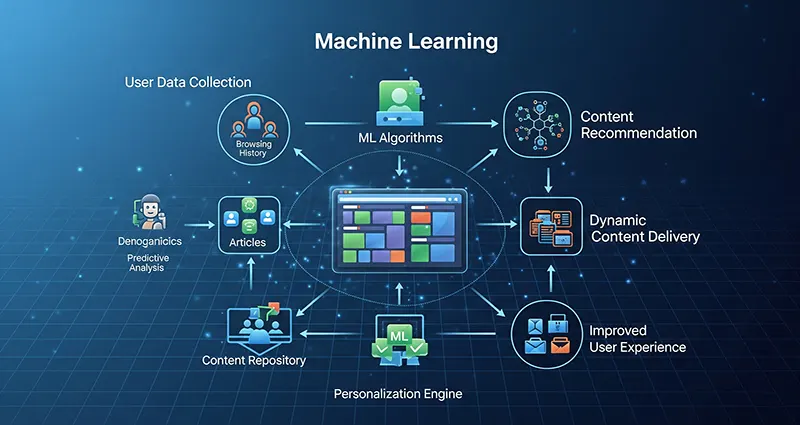
In the digital age, personalization has become a cornerstone of effective website design and user engagement. Visitors today expect websites to cater to their individual preferences, behaviors, and needs, providing relevant content and seamless experiences. Leveraging machine learning for personalized website content and user experience is transforming how businesses connect with their audiences, increasing satisfaction, retention, and conversion rates.
What is Machine Learning in Website Personalization?
Machine learning (ML) is a subset of artificial intelligence (AI) that enables computers to learn from data and improve their performance over time without being explicitly programmed. When applied to websites, ML algorithms analyze user data such as browsing history, clicking patterns, demographics, and interaction behavior to tailor content dynamically.
Benefits of Using Machine Learning for Personalized Content
- Enhanced User Engagement: Machine learning helps deliver content that resonates with users by understanding their preferences and showing them relevant articles, products, or services.
- Improved Conversion Rates: Personalized recommendations and user experiences lead to higher conversion rates as visitors find what they need more quickly and enjoy a smoother journey on the website.
- Data-Driven Insights: ML models can uncover patterns and trends within user data that inform marketing strategies, content creation, and product development.
- Adaptive User Experience: As machine learning systems gather more data, they refine their understanding, continuously improving the personalization of content and navigation paths.
How Machine Learning Personalizes Website Content
- Content Recommendations: Algorithms suggest articles, blog posts, or products based on past user interactions and preferences, akin to how streaming services recommend shows.
- Dynamic Website Layouts: ML can adjust website elements such as banners, menus, and call-to-action buttons depending on user profiles for an optimized experience.
- Chatbots and Virtual Assistants: AI-powered chatbots learn from user queries and past conversations to provide relevant real-time support and personalized responses.
- Targeted Marketing and Ads: Machine learning enables precise targeting by analyzing which content or offers users are more likely to engage with.
Examples of Machine Learning in Personalized User Experience
- E-commerce Sites: Personalized shopping experiences that recommend products based on browsing and purchase history.
- News Platforms: Custom newsfeeds that prioritize stories matching reader interests.
- Educational Websites: Adaptive learning platforms tailoring educational content and pacing to individual student performance.
Implementing Machine Learning for Personalization: Best Practices
- Collect Quality Data: Successful personalization relies on accurate and comprehensive user data gathered ethically and transparently.
- Start Small: Begin with simple recommendation engines or personalized greetings before scaling to complex adaptive systems.
- Ensure Privacy Compliance: Respect user privacy and comply with regulations like GDPR by managing data securely and allowing users control over their information.
- Continuously Optimize: Monitor performance metrics and user feedback to fine-tune machine learning models and personalization strategies.
Using machine learning for personalized website content and user experience marks a pivotal advancement in digital engagement. By harnessing the power of data and adaptive algorithms, businesses can craft unique, relevant, and efficient interactions that delight users and foster loyalty. As technology evolves, personalization powered by machine learning will continue to redefine how websites connect with their audiences, creating more meaningful and successful online experiences.

