
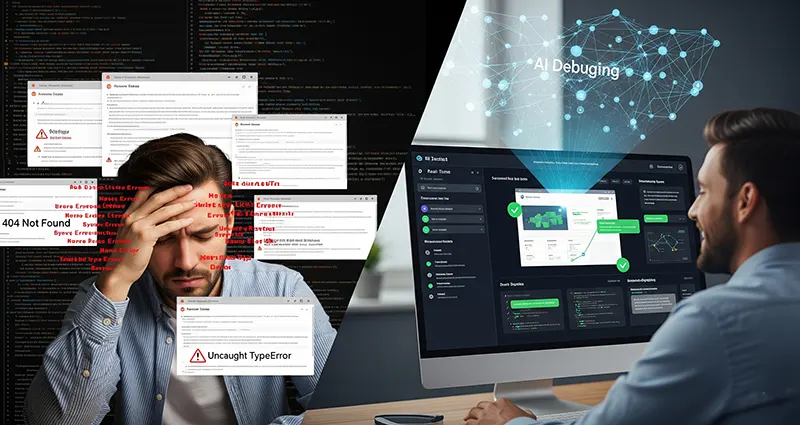
In the fast-paced world of web development, ensuring a flawless user experience is paramount. Businesses and developers constantly strive to identify and resolve website issues quickly to maintain performance, security, and functionality. The advent of AI-driven automated website testing and debugging platforms is transforming this process by leveraging artificial intelligence to streamline quality assurance, reduce errors, and accelerate development cycles.
What Are AI-Driven Automated Website Testing and Debugging Platforms?
AI-driven platforms use machine learning algorithms and intelligent automation to test and debug websites without extensive human intervention. These tools simulate user behaviors, analyze code, detect bugs, and even predict potential vulnerabilities by learning from vast datasets of web application patterns.
Benefits of AI-Driven Automated Testing and Debugging
- Faster Detection and Resolution: Unlike manual testing that can be time-consuming and error-prone, AI-enabled platforms perform continuous and comprehensive testing, instantly identifying bugs and suggesting fixes.
- Enhanced Test Coverage: AI can generate diverse test cases, including edge cases humans might overlook, ensuring more robust testing for various devices, browsers, and user scenarios.
- Adaptive Testing: These platforms learn from previous test results, application updates, and user interactions to adapt test strategies dynamically, focusing resources on the areas most likely to harbor issues.
- Cost Efficiency: Automated testing reduces the need for extensive QA teams and minimizes costly post-release fixes, offering a high return on investment for businesses.
- Improved Accuracy: By eliminating human errors common in manual debugging, AI-driven platforms enhance precision in detecting complex issues such as asynchronous errors, UI inconsistencies, and security loopholes.
Key Features of AI-Driven Website Testing and Debugging Platforms
- Visual Regression Testing: AI compares website screenshots before and after code changes to detect unintended visual alterations.
- Functional Testing Automation: Intelligent scripting automates user interactions like clicks, form submissions, and navigation flows.
- Performance Monitoring: Continuous assessment of load times, responsiveness, and scalability under various conditions.
- Security Scanning: Identification of vulnerabilities and compliance checks using AI-powered threat detection.
- Root Cause Analysis: Machine learning algorithms help pinpoint the origin of bugs, speeding up the debugging process.
Leading Platforms in the Market
- Testim: Utilizes AI to create stable and maintainable test cases that adapt to UI changes.
- Applitools: Provides AI-based visual testing to ensure pixel-perfect user interfaces.
- Functionize: Combines cloud automation with AI for end-to-end testing and debugging.
Best Practices for Implementing AI-Driven Testing
- Integrate Early: Incorporate AI testing tools early in the development lifecycle for continuous feedback.
- Maintain Human Oversight: While AI automates many processes, human review ensures contextual understanding and strategic decisions.
- Train AI Models with Relevant Data: Provide quality data reflecting your application specifics to improve AI accuracy.
- Combine with Traditional Testing: Use AI-driven testing to complement, not entirely replace, manual testing, especially for exploratory scenarios.
AI-driven automated website testing and debugging platforms represent a significant leap forward in web development efficacy. By harnessing artificial intelligence, these tools deliver faster, more accurate, and comprehensive testing and bug resolution capabilities. For businesses aiming to launch reliable, high-performing websites quickly, embracing AI-powered testing platforms is becoming not just advantageous but essential. As the technology evolves, it promises to further diminish development bottlenecks and elevate the standard of digital experiences worldwide.

