
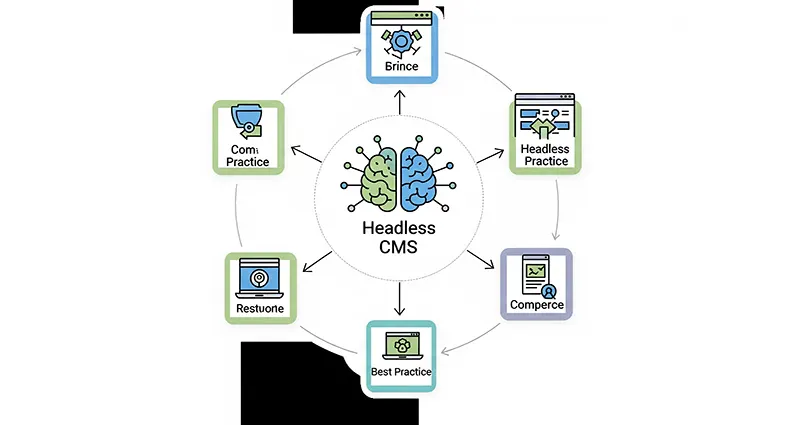
Best Practices for Implementing Headless CMS Architecture in E-Commerce
The e-commerce landscape is rapidly evolving, driven by consumer demand for seamless, personalized, and fast online shopping experiences. To meet these needs, many businesses are adopting headless CMS architecture, which decouples the content management backend from the frontend presentation layer. This approach offers flexibility, scalability, and enhanced performance, making it an ideal choice for modern e-commerce platforms. However, implementing a headless CMS requires careful planning to maximize its benefits. Here are the best practices for implementing headless CMS architecture in e-commerce:
1. Define Clear Objectives and Use Cases
Before implementation, clearly outline what you aim to achieve with a headless CMS—whether it’s omnichannel content delivery, faster page loads, easier integrations, or personalized customer experiences. Understanding your specific use cases will guide technology selection, architecture design, and workflow processes.
2. Choose the Right Headless CMS Platform
Not all headless CMS platforms are created equal. Select a solution that aligns with your … READ MORE
